
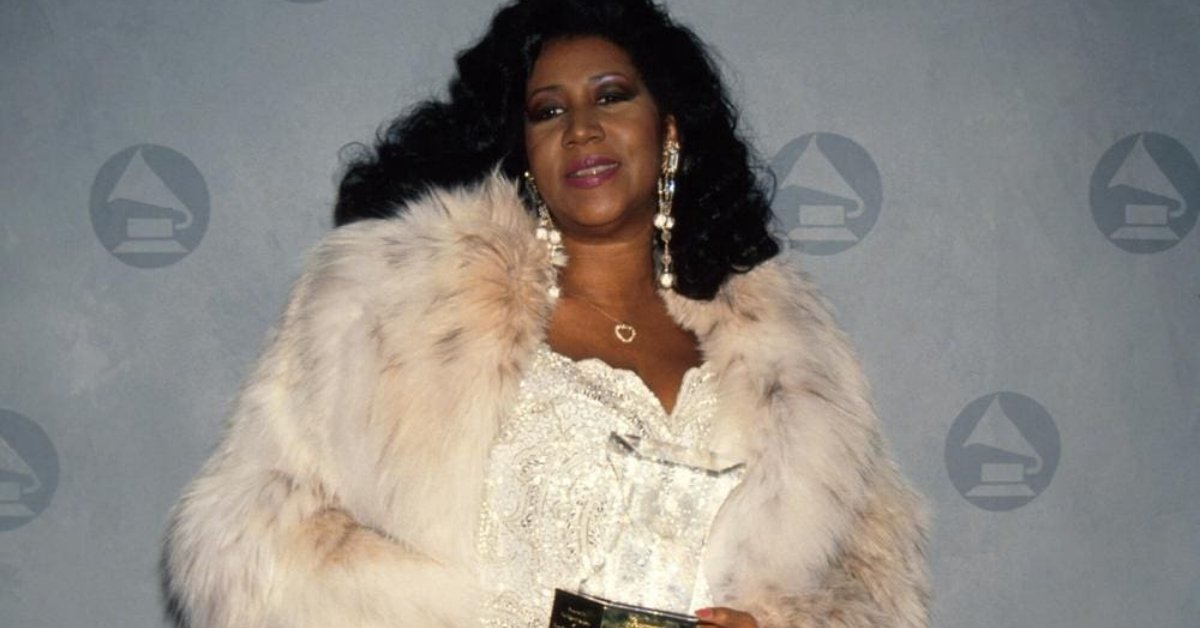
Aretha Franklin, the undisputed Queen of Soul, remains one of the most influential figures in music history. Born in 1942 in Memphis, Tennessee, and raised in Detroit, Michigan, she reshaped soul music, gospel music, and R&B vocal performance with unmatched power and emotion. She sold over 75 million albums, placed 112 singles charted on the Billboard charts, and won 18 Grammy Awards, securing her status as a Rolling Stone #1 singer.
Her legendary songs, including Respect, Natural Woman, and Chain of Fools, became cultural milestones and civil rights anthems. Despite massive success, aretha franklin net worth drew attention due to a reported $10 million at death, complex estate value, ongoing royalty income, and unresolved estate battle involving her music catalog and intellectual property.
Quick Facts
| Category | Key Information |
| Full Name | Aretha Louise Franklin |
| Profession | Singer, songwriter, musician |
| Born | 1942, Memphis, Tennessee |
| Died | 2018 |
| Age at Death | 76 |
| Raised In | Detroit, Michigan |
| Nickname | Queen of Soul |
| Music Genres | Soul music, R&B vocal performance, Gospel music |
| Albums Sold | 75 million albums sold |
| Chart Success | 112 singles charted on Billboard charts |
| Major Chart | Hot 100 |
| Grammy Awards | Grammy Awards (18 total) |
| Hall of Fame | Rock and Roll Hall of Fame |
| Critical Ranking | Rolling Stone #1 singer |
| Record Labels | Atlantic Records, Columbia Records |
| Signature Songs | Respect, I Say a Little Prayer, Natural Woman, Chain of Fools, Think, I Never Loved a Man |
| Civil Rights Impact | Songs recognized as civil rights anthem |
| Children | Four children |
| Marriages | Ted White (first husband), Glynn Turman (second husband) |
| Estate Value at Death | $10 million at death |
| Estimated True Worth | $50–80 million actual worth |
| Annual Royalty Income | $3–4 million per year |
| Key Assets Listed | $4.1 million assets |
| Income Sources | Royalty income, music catalog, intellectual property |
| Financial Issues | IRS debt, back taxes, uncashed checks |
| Estate Situation | Ongoing estate battle |
| Legal Factors | Disputed will, court documents, lawyers, executor |
| Estate Actions | Efforts to liquidate assets |
Aretha Franklin Net Worth: A Deep Dive into the Queen of Soul’s Financial Legacy
Aretha Franklin, celebrated globally as the Queen of Soul, transformed the music industry with her powerhouse voice and soulful performances. As one of the best-selling musicians, she sold over 75 million albums, earned 18 Grammy Awards, and secured her place in the Rock and Roll Hall of Fame. Her hits like Respect, I Say a Little Prayer, and Chain of Fools remain timeless classics. Beyond music, her financial life sparked curiosity, with her estate value, $10 million at death, and ongoing royalty income drawing attention. This article explores aretha franklin net worth, detailing her estate, career, personal life, and musical legacy, offering a comprehensive view of her financial and cultural impact.
What Was Aretha Franklin’s Net Worth?
At the time of her passing in 2018, Aretha Franklin’s estate value was estimated at around $10 million at death, though some financial experts argue her actual worth could have been closer to $50–80 million actual worth when considering her music catalog, intellectual property, and ongoing royalty income.
Much of her wealth came from decades of recording, touring, and licensing her songs. She earned approximately $3–4 million per year from her music rights, which included revenues from streaming platforms, commercial use, and live performance royalties. However, her financial situation was complicated. Reports noted she had $4.1 million in assets, uncashed checks, IRS debt, and back taxes that needed attention.
| Source of Income | Estimated Value |
| Music Catalog & Royalties | $3–4 million/year |
| Intellectual Property | $10 million+ |
| Other Assets | $4.1 million |
| Potential IRS Debt & Back Taxes | Unknown |
This table highlights the complexity of her finances at death. While her public image suggested immense wealth, her estate battle after passing revealed the challenges of managing an artist’s legacy, particularly when court documents and legal intricacies surrounding the will and executor come into play.
The Estate Battle: Legal Struggles After Her Death
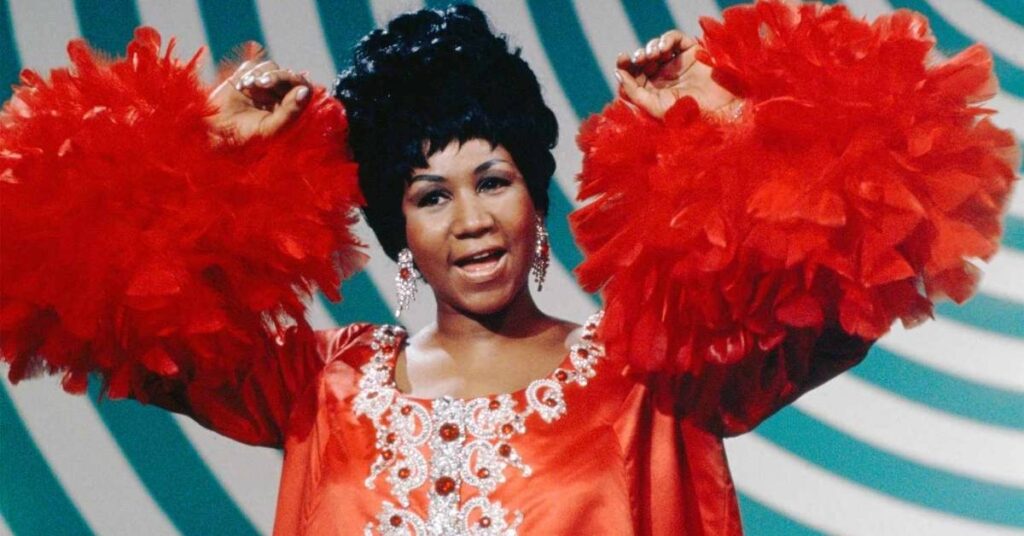
Following her death, Aretha Franklin’s estate became the center of a high-profile estate battle. Without a clearly updated will, multiple parties, including family members and lawyers, disputed over the distribution of assets. The legal process involved attempts to liquidate assets, manage intellectual property, and allocate royalty income from her expansive music catalog.
Key points of the estate battle included:
- Court documents revealing competing claims to the estate value.
- Questions about her uncashed checks and outstanding IRS debt.
- The role of the executor in managing her $4.1 million assets and ensuring proper allocation.
This legal dispute illustrates the complexities many artists face when wealth is tied to ongoing royalties and intellectual property, emphasizing the importance of clear estate planning.
Early Life: From Memphis to Detroit
Aretha Franklin was born in 1942 in Memphis, Tennessee, and later moved to Detroit, Michigan, where her musical journey began. The daughter of a minister, she was immersed in gospel music from an early age, performing in church alongside her siblings.
By her teenage years, Franklin was already recognized as a prodigious singer, songwriter, musician, performing in local churches and recording early singles. This foundation in gospel music profoundly shaped her later R&B vocal performance, which became her hallmark and led her to global fame.
Her early experiences also connected her with the civil rights movement, with several of her songs becoming a civil rights anthem. This background highlights how Franklin’s formative years directly influenced both her artistry and her eventual financial success, through recordings and performances.
Career: The Rise of the Queen of Soul
Aretha Franklin’s professional career spanned decades, solidifying her as a cultural icon. She recorded with major labels, including Atlantic Records and Columbia Records, and dominated the Billboard charts, with over 112 singles charted on the Hot 100.
Highlights of her career:
- Released legendary albums selling 75 million albums sold worldwide.
- Won 18 Grammy Awards (18 total) for her unmatched vocal performances.
- Inducted into the Rock and Roll Hall of Fame, cementing her legacy.
- Signature songs such as Respect, I Say a Little Prayer, Natural Woman, Chain of Fools, Think, and I Never Loved a Man remain cultural touchstones.
Franklin’s music catalog has not only artistic value but financial significance. Her recordings generate royalty income, with her intellectual property being a major contributor to her posthumous wealth. Her dedication to soul music and R&B vocal performance allowed her to command lucrative performance fees, licensing deals, and endorsements, enhancing her overall net worth.
Personal Life: Beyond the Stage
Aretha Franklin’s personal life was as complex as her career. She had four children and was married twice: first to Ted White (first husband) and later to Glynn Turman (second husband). Despite fame and wealth, she faced financial and personal challenges, including debts and estate complications that surfaced after her death.
Her identity as a singer, songwriter, musician intertwined with her personal values, including strong family connections and civil rights advocacy. Her life in Detroit, Michigan, and upbringing in a musical family played a critical role in shaping her artistry and financial path, including earnings from performances, songwriting, and intellectual property rights.
Musical Legacy: Influence That Transcends Wealth
Aretha Franklin’s contributions to music are unparalleled. She is celebrated as the Queen of Soul, influencing countless artists and shaping the genres of soul music, gospel music, and R&B vocal performance. Her voice became synonymous with empowerment, with songs like Respect serving as a civil rights anthem.
Key aspects of her musical legacy:
- Over 75 million albums sold, showcasing her commercial success.
- 112 singles charted, reflecting her consistent presence in the music industry.
- Recognition as Rolling Stone #1 singer, underscoring her critical acclaim.
Her music catalog continues to provide royalty income, and her intellectual property remains a valuable part of her estate. This combination of cultural influence and financial asset underscores why discussions of aretha franklin net worth extend beyond simple numbers, encompassing both her artistic and monetary impact.
Conclusion: Aretha Franklin’s Financial and Cultural Impact
Aretha Franklin’s life exemplifies how artistic genius and financial complexity intersect. Her estate value, $10 million at death, and ongoing royalty income reflect decades of dedication to music. While her estate battle, IRS debt, and uncashed checks highlight the challenges behind her wealth, her influence as a singer, songwriter, musician, and Queen of Soul endures.
Ultimately, her legacy is measured not only by $50–80 million actual worth estimates but by the timeless resonance of her voice, the enduring success of her music catalog, and her role as a pioneer for women and African Americans in music. Aretha Franklin net worth tells a story of cultural, artistic, and financial significance, inspiring generations long after her passing.