

Ashton Kutcher is a rare example of a Hollywood star who successfully transformed fame into long-term financial power. Born in Cedar Rapids, Iowa, he rose to prominence as an actor on That ’70s Show before becoming one of television’s highest earners through Two and a Half Men, where he reportedly earned $800,000 per episode.
Today, the ashton kutcher net worth is estimated at $200 million, driven not only by acting salary and production earnings but also by sharp venture capital decisions. As an entrepreneur and investor, Kutcher co-founded A-Grade Investments and Sound Ventures, backing companies like Uber, Airbnb, and Spotify, building a diversified portfolio of tech assets, real estate, and early-stage investments that reflect strong business acumen.
Quick Facts
| Category | Key Facts & Figures |
| Full Name | Christopher Ashton Kutcher |
| Date of Birth | February 7, 1978 |
| Age | 47 years |
| Birthplace | Cedar Rapids, Iowa, USA |
| Profession | Actor, entrepreneur, producer, investor, venture capitalist |
| Estimated Net Worth | $200 million |
| Total Estimated Assets | $250 million in assets |
| Primary Income Sources | Acting salary, TV production, venture capital, startup investments |
| Highest TV Salary | $800,000 per episode (Two and a Half Men) |
| Peak Annual Earnings | $20 million per season |
| Notable TV Roles | Michael Kelso (That ’70s Show), Two and a Half Men, Punk’d, The Ranch |
| Investment Firms | A-Grade Investments, Sound Ventures |
| Capital Deployed | $30 million capital in early-stage investments |
| Major Startup Investments | Uber, Airbnb, Spotify, Robinhood, Skype, Shazam, Warby Parker, Lemonade |
| Industry Focus | Tech investments, Silicon Valley startups |
| Real Estate Holdings | Luxury properties in Beverly Hills |
| Spouse | Mila Kunis |
| Former Spouse | Demi Moore |
| Business Reputation | Hollywood stardom combined with strong business acumen |
Ashton Kutcher’s Salary: From Sitcom Paychecks to Record Deals
Ashton Kutcher’s rise to financial success began with his acting salary, which steadily increased as his popularity grew. In the early days of That ’70s Show, Kutcher earned a modest paycheck compared to later years. However, as the series gained traction, his earnings rose sharply, reflecting his value as a lead actor portraying the lovable Michael Kelso. This role not only brought fame but also laid the foundation for long-term financial stability.
His most talked-about paycheck came later in his career. When he joined Two and a Half Men, Kutcher negotiated one of the largest television contracts of its time. Reports placed his compensation at $800,000 per episode, making him the highest-paid actor on television during that period. Over multiple seasons, this translated into nearly $20 million per season, a milestone that significantly boosted his overall assets.
What sets Kutcher apart is how he used his acting income strategically. Instead of relying solely on entertainment, he funneled a portion of his salary into investments and venture capital opportunities. This approach ensured that his wealth was not dependent on Hollywood alone. His disciplined financial choices early on played a critical role in growing his portfolio beyond acting, setting the stage for his evolution into a serious entrepreneur.
What Is Ashton Kutcher’s Net Worth and Salary? A Financial Breakdown
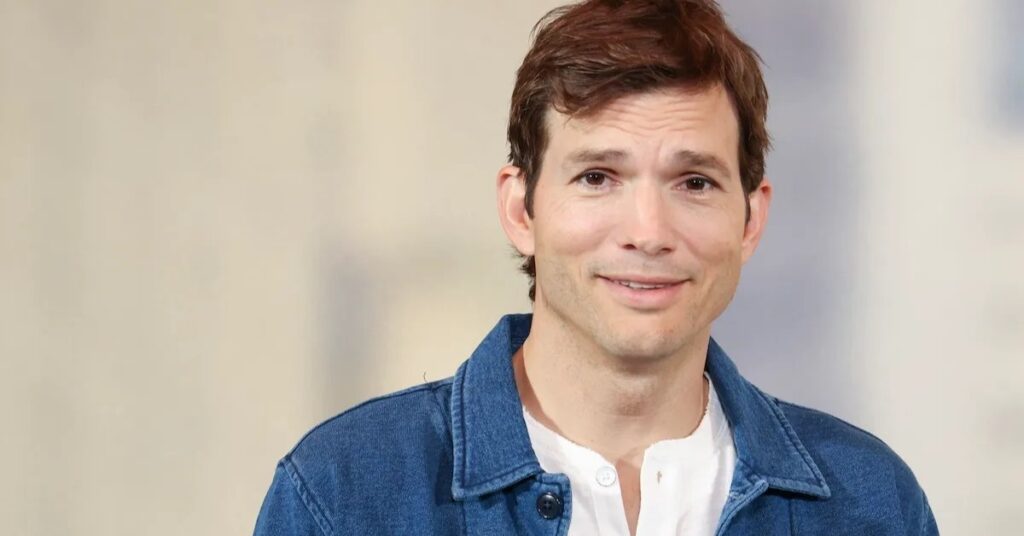
Today, Ashton Kutcher’s financial standing reflects decades of consistent growth and smart decision-making. His estimated $200 million fortune comes from multiple income streams rather than a single source. Acting remains a major contributor, but it is only one piece of a much larger picture that includes investments, production deals, and ownership stakes in global companies.
Below is a simplified breakdown of how his wealth is structured:
| Income Source | Contribution to Wealth |
| Acting salary & residuals | Major foundation |
| Film & TV production | Steady long-term earnings |
| Venture capital & startups | Exponential growth |
| Real estate holdings | Stable appreciating assets |
Kutcher’s total assets are often estimated closer to $250 million in assets when factoring in equity value and property holdings. A key factor is his ability to reinvest entertainment income into scalable opportunities. By committing over $30 million capital to early-stage ventures, he transformed himself from a traditional Hollywood star into a respected investor.
This diversified approach protects him from industry volatility. Even when acting roles slow down, his portfolio continues to generate value. His wealth is a direct reflection of both Hollywood success and exceptional business acumen, making his financial profile unique among entertainers.
“Two and a Half Men” Salary: Redefining Television Pay
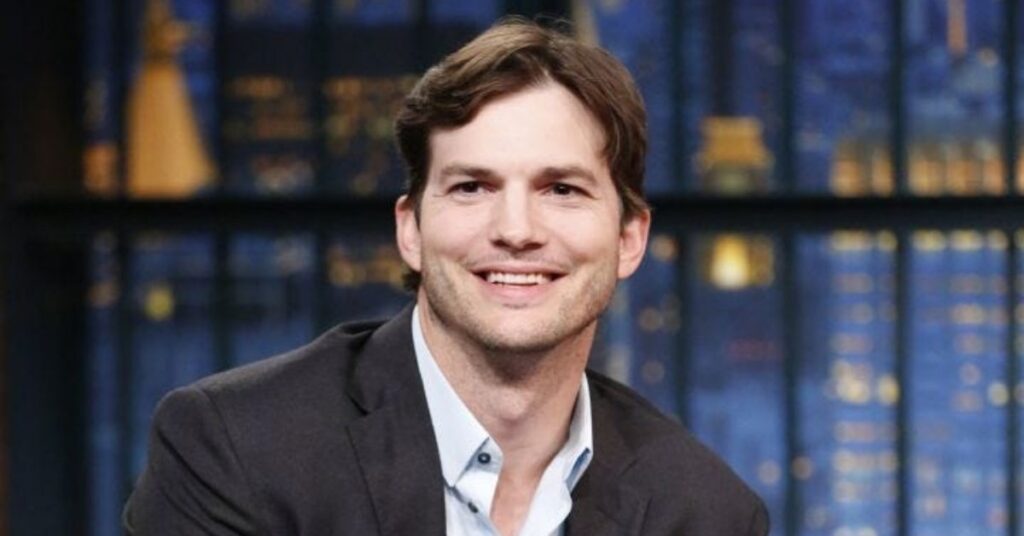
Kutcher’s casting on Two and a Half Men marked a turning point not just for the show, but for television economics. Stepping in after Charlie Sheen’s departure was risky, yet Kutcher’s star power paid off. His reported $800,000 per episode deal instantly made headlines and reset expectations for TV actor compensation.
Over the course of a season, this translated into nearly $20 million per season, placing him firmly among the highest-paid actor rankings in television history. This income dramatically accelerated his wealth-building timeline. Unlike many actor contracts, Kutcher’s deal also included backend incentives tied to ratings performance, further boosting his earnings.
What makes this salary noteworthy is how Kutcher leveraged it. Instead of lifestyle inflation, he focused on long-term growth. A significant portion of this income was redirected into tech investments and startup investments through his venture firm. This disciplined reinvestment strategy multiplied the value of his TV income.
The Two and a Half Men era demonstrated Kutcher’s negotiating strength and strategic mindset. He understood his market value and used it as leverage, proving that Hollywood stardom, when paired with financial foresight, can become a powerful engine for lasting wealth.
Venture Capitalist: Building Wealth Beyond Hollywood
Ashton Kutcher’s transition into a full-fledged venture capitalist is one of the most impressive aspects of his career. Rather than making passive celebrity endorsements, he took an active role in identifying high-growth opportunities. His firm, Sound Ventures, co-founded with business partners including Guy Oseary and Ron Burkle, focuses on early-stage investments with long-term potential.
Before Sound Ventures, Kutcher launched A-Grade Investments, which quickly gained attention in Silicon Valley. These firms allowed him to build a diversified portfolio rooted in tech investments rather than entertainment alone. His ability to understand consumer behavior, combined with access to top founders, gave him an edge as an investor.
Some of the most notable companies in his startup investments include:
- Uber – A ride-sharing platform that reshaped transportation
- Airbnb – A global leader in short-term accommodations
- Spotify – A music streaming giant
- Robinhood – A commission-free trading app
- Skype and Shazam – Early tech innovators
These strategic bets significantly increased his assets and reinforced his reputation as a savvy entrepreneur. Kutcher’s presence in Silicon Valley is not symbolic; it reflects hands-on involvement, board participation, and long-term vision rooted in data and market trends.
Early Life: From Cedar Rapids to Global Success
Ashton Kutcher was born and raised in Cedar Rapids, Iowa, far removed from Hollywood glamour or Silicon Valley innovation. His early life was shaped by modest circumstances, which played a key role in forming his disciplined mindset around money and opportunity. Unlike many celebrities born into privilege, Kutcher’s journey began with practical challenges that required resilience and adaptability.
He initially pursued biochemical engineering, a detail that often surprises people. This technical background helped him develop analytical thinking, later useful in evaluating investments and business opportunities. Although he eventually left college to pursue modeling and acting, his early exposure to science and logic never fully left him.
Growing up in the Midwest instilled a strong work ethic. Kutcher has often credited his upbringing for teaching him the value of consistency and accountability. These traits later translated into careful financial decisions and a cautious approach to risk. Even after achieving Hollywood stardom, he avoided reckless spending, instead focusing on building long-term assets.
This grounded beginning explains why Kutcher transitioned so smoothly into entrepreneurship. His early life provided the mental framework needed to navigate complex financial landscapes, helping him evolve into a respected investor with a deep understanding of value creation.
Television Career: The Foundation of Hollywood Stardom
Kutcher’s television career laid the groundwork for his financial empire. His breakout role as Michael Kelso on That ’70s Show transformed him into a household name. The show’s long run provided consistent salary and early earnings, while also opening doors to producing and hosting opportunities.
Following this success, Kutcher expanded his TV presence as the creator and TV host of Punk’d. The prank show was not only a ratings hit but also showcased his behind-the-scenes skills as a producer. This role allowed him to earn from multiple revenue streams, including syndication and production fees.
Later projects such as The Ranch further solidified his television legacy. These roles provided financial continuity while allowing flexibility to focus on venture capital pursuits. Unlike many actors who remain tied to one genre, Kutcher diversified his TV work strategically.
Television success gave him leverage. It allowed him to negotiate better contracts, fund startup investments, and build a portfolio that extended far beyond entertainment. His TV career was not just about fame—it was the launchpad for long-term financial independence.
Film Career: Expanding Earnings Beyond Television
While television provided stability, Ashton Kutcher’s film career expanded his reach and earnings potential. He starred in romantic comedies, dramas, and thrillers, demonstrating range as an actor. Each project added to his salary base while strengthening his brand.
One of his most critically discussed roles was in the Steve Jobs biopic, where Kutcher portrayed Apple’s co-founder. This performance showcased his ability to take on complex characters and reinforced his interest in technology-driven narratives. The role also aligned closely with his real-life identity as an entrepreneur and investor.
Although his film income never surpassed his television salary, it played a crucial supporting role. Film projects enhanced his global recognition, making him more attractive to business partners and startup founders. Hollywood credibility opened doors in Silicon Valley, where trust and reputation matter.
By balancing films with TV and business ventures, Kutcher ensured diversified earnings. His film career complemented his broader strategy, contributing to a well-rounded financial profile built on creativity, consistency, and calculated risk.
Personal Life: Relationships, Stability, and Financial Alignment
Ashton Kutcher’s personal life has often attracted public attention, yet it also reflects his values around stability and partnership. His marriage to actress Mila Kunis, whom he met during That ’70s Show, represents both personal and professional alignment. Kunis herself is a successful actress and entrepreneur, making them a financially strategic couple.
Previously, Kutcher was married to Demi Moore, a high-profile relationship that placed him under intense media scrutiny. Despite the attention, he maintained focus on career growth and investments, avoiding distractions that often derail celebrities.
Kutcher’s personal choices emphasize long-term thinking. He prioritizes family life while continuing to build assets and refine his portfolio. This balance allows him to remain productive without burnout, supporting sustained success across industries.
His relationships, both personal and professional, reflect trust and shared vision—key ingredients for enduring wealth and influence.
Quote on Business: A Philosophy Rooted in Logic
Kutcher has often shared insights about business that reveal his mindset. He believes success comes from understanding systems, not chasing trends. This philosophy explains his cautious approach to venture capital and early-stage investments.
Rather than betting on hype, he focuses on solving real problems. This mindset guided his involvement in companies like Warby Parker and Lemonade, both of which disrupted traditional industries with technology-driven solutions.
His quotes often emphasize learning, patience, and adaptability. These principles underpin his business acumen and differentiate him from celebrity investors who rely solely on fame. Kutcher treats investing as a discipline, not a gamble.
This thoughtful approach has allowed him to scale his assets responsibly while maintaining credibility in both Hollywood and Silicon Valley.
Real Estate: Tangible Assets and Long-Term Security
Real estate plays a crucial role in Ashton Kutcher’s wealth strategy. His property holdings include luxury homes in Beverly Hills, chosen not only for lifestyle but also for long-term appreciation. These properties add stability to his overall portfolio, balancing the higher risk of startup investments.
Real estate provides predictable value growth and acts as a hedge against market volatility. Kutcher’s approach mirrors that of seasoned investors who prioritize tangible assets alongside equities.
By combining real estate with entertainment income and venture capital, Kutcher has built a resilient financial structure. This diversification ensures that his wealth remains secure regardless of industry shifts.
In the end, Ashton Kutcher’s journey reflects a rare combination of Hollywood success, strategic investing, and disciplined growth—proving that true wealth is built, not inherited.
Conclusion: A Blueprint for Sustainable Wealth
Ashton Kutcher’s financial journey offers a clear example of how strategic thinking can turn fame into lasting fortune. What began as success for a talented actor evolved into a multidimensional career built on smart investments, disciplined use of salary, and long-term vision. His estimated $200 million fortune is not the result of luck, but a carefully constructed portfolio that balances entertainment earnings, venture capital, and tangible assets like real estate.
Kutcher’s ability to recognize opportunity, commit $30 million capital to high-potential ventures, and grow his influence in Silicon Valley highlights exceptional business acumen. By combining Hollywood stardom with entrepreneurial focus, he has accumulated close to $250 million in assets, proving that sustainable wealth comes from diversification, patience, and informed decision-making. His story stands as a modern blueprint for turning success into enduring financial independence.