
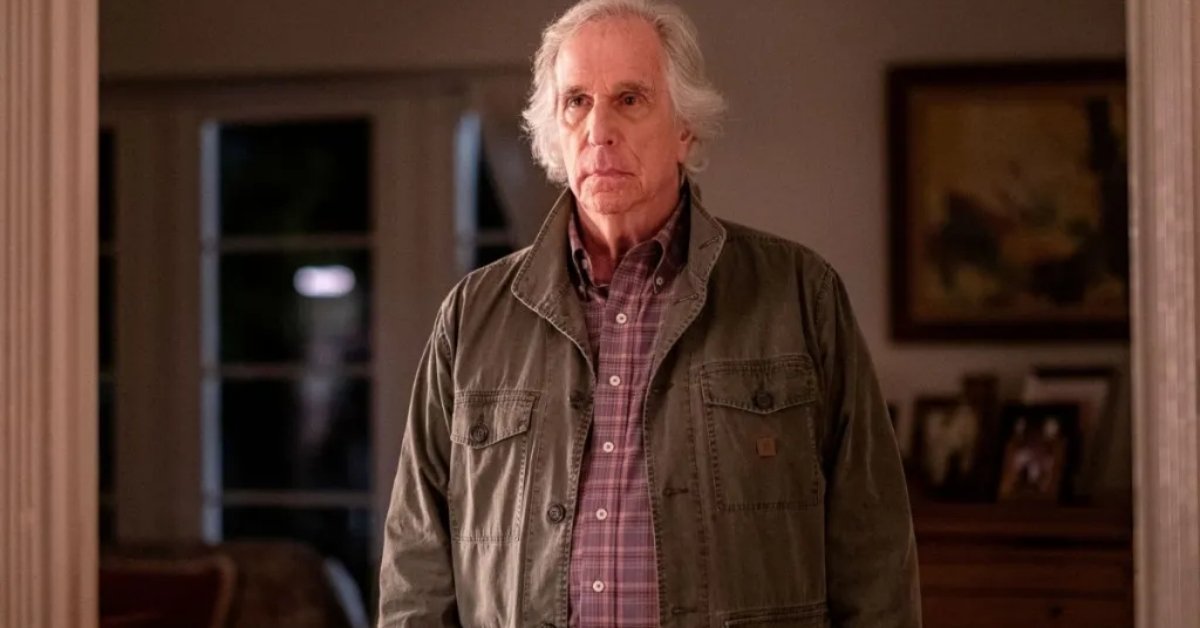
This in-depth article explores the life, career, and financial journey of one of Hollywood’s most enduring figures, Henry Winkler. Best known globally for portraying Arthur “Fonzie” Fonzarelli on Happy Days, Winkler’s success extends far beyond a single iconic role. This guide examines how talent, adaptability, and long-term strategic choices shaped henry winkler net worth, estimated at $40 million.
From overcoming dyslexia and early struggles as an actor to building a decades-long television and film career as an actor, director, producer, and author, this article breaks down his income streams, real estate investments, creative ventures, and legacy. Readers will gain a clear, well-structured understanding of how Winkler built lasting wealth while becoming a true cultural icon in Hollywood.
Quick Facts
| Category | Details |
| Full Name | Henry Franklin Winkler |
| Date of Birth | October 30, 1945 |
| Age | 80 |
| Birthplace | Manhattan, New York, United States |
| Nationality | American |
| Parents | German Jewish immigrants |
| Education | Emerson College (BA), Yale School of Drama (MFA) |
| Learning Difference | Dyslexia |
| Profession | Actor, Producer, Director, Author |
| Years Active | 1970 – Present |
| Breakthrough Role | Arthur “Fonzie” Fonzarelli |
| Iconic Show | Happy Days |
| Other Notable TV Shows | Barry, Arrested Development |
| Notable Films | The Waterboy |
| Major TV Collaborations | Adam Sandler |
| Awards Won | Emmy Award, Golden Globe Awards |
| Emmy Nominations | Multiple |
| Children’s Book Series | Hank Zipzer |
| Producing Credits | MacGyver, Sabrina the Teenage Witch |
| Estimated Net Worth | $40 million |
| Primary Income Sources | Acting, Producing, Directing, Book Royalties |
| Real Estate Holdings | California-based properties |
| Cultural Status | Television cultural icon |
| Philanthropic Focus | Education causes, Dyslexia awareness |
| Legacy | Decades-long Hollywood career |
Who Is Henry Winkler?
Henry Franklin Winkler is an American actor, producer, director, and author whose career spans more than five decades. Born October 30, 1945, in Manhattan, New York, he became one of television’s most recognizable faces through his portrayal of Arthur Fonzarelli—better known as “The Fonz”—on the long-running sitcom Happy Days. The character transformed Winkler into a global cultural icon and permanently shaped popular television history.
However, reducing Henry Winkler to a single role would overlook the depth of his Hollywood career. He has appeared in acclaimed television series such as Barry and Arrested Development, worked in films like The Waterboy alongside Adam Sandler, and built a strong reputation behind the camera as a producer and director. Over time, he expanded into writing, co-authoring the Hank Zipzer children’s book series, inspired by his personal experience with dyslexia.
Winkler’s enduring relevance is rooted in his adaptability. While many actors struggle after early fame, he successfully reinvented himself across generations of television and film. His Emmy Award wins, Golden Globe Awards, and multiple Emmy nominations highlight both critical and commercial success. Today, Henry Winkler represents not just fame, but longevity, professionalism, and smart career evolution—key foundations behind his wealth and lasting influence.
Early Life and Education
Henry Winkler was born to German Jewish parents who had fled Nazi Germany and settled in the United States. Growing up in Manhattan, New York, his childhood was shaped by high expectations and academic challenges. From an early age, Winkler struggled in school due to undiagnosed dyslexia, a learning difference that affected his reading and writing abilities. At the time, dyslexia was poorly understood, and he was often labeled as lazy or unmotivated, experiences that deeply impacted his self-confidence.
Despite academic struggles, Winkler discovered an early passion for performance. Acting became a creative outlet where he felt capable and understood. After graduating from McBurney School, he attended Emerson College, where he earned a bachelor’s degree in theater. His determination then led him to the prestigious Yale School of Drama, where he completed a Master of Fine Arts degree.
Yale played a critical role in shaping Winkler’s discipline and technical skill as an actor. The rigorous training refined his craft and provided him with professional credibility. These years also instilled resilience—an essential trait for navigating Hollywood’s rejection-heavy environment. His educational background laid the foundation for a television and film career that would later expand into producing, directing, and writing, proving that early setbacks did not define his long-term success.
Henry Winkler’s Career Beginnings
Henry Winkler’s early Hollywood career was marked by persistence rather than immediate success. After graduating from Yale School of Drama, he moved to Los Angeles and faced years of auditions with limited results. Casting directors often dismissed him due to his unconventional appearance and strong accent, making steady acting work difficult to secure.
During this period, Winkler took on small roles in commercials and guest appearances on television shows. These early opportunities did not generate significant income, but they allowed him to build industry relationships and develop on-set experience. Like many aspiring actors, his earnings during this phase were modest, and financial stability remained uncertain.
What set Winkler apart was his refusal to quit. He continued refining his skills, taking feedback seriously, and learning how the entertainment business functioned beyond acting. His ability to collaborate, take direction, and adapt his performances gradually improved his reputation among producers and casting agents.
These formative years were crucial because they taught him the value of versatility and professionalism—traits that later supported his transition into directing, producing, and writing. His early struggles also contributed to his empathy and mentorship mindset, which would later define his acting coach role and collaborative approach in Hollywood. Though financially lean, this period laid the groundwork for the breakthrough that would soon change his life.
Henry Winkler’s Breakthrough: Happy Days
Henry Winkler’s career changed dramatically in 1974 when he was cast as Arthur “Fonzie” Fonzarelli on Happy Days. Initially intended as a minor supporting character, Fonzie quickly became the heart of the show. Winkler’s performance transformed the leather-jacketed greaser into a charismatic, layered personality that audiences instantly connected with.
Happy Days became one of the most successful television sitcoms of its era, running for ten seasons. Winkler’s portrayal of The Fonz turned him into a global sensation and solidified his place in television history. The role earned him multiple Golden Globe Awards and Emmy nominations, elevating both his fame and earning potential.
Financially, this period marked the beginning of significant income. Winkler’s salary increased substantially as the show’s popularity grew, and he gained leverage in contract negotiations. Beyond salary, the role opened doors to endorsements, public appearances, and long-term residual income.
However, the success also brought challenges. Winkler risked being typecast, a common issue for actors associated with iconic characters. Rather than relying solely on The Fonz, he began planning for life beyond Happy Days. This strategic mindset—thinking long-term rather than short-term fame—became a defining factor in how Henry Winkler built his fortune and sustained a decades-long career in Hollywood.
Career After Happy Days
After Happy Days ended, Henry Winkler faced the difficult task of redefining his career beyond The Fonz. Instead of chasing similar roles, he deliberately chose diverse projects that showcased his range. This decision helped him avoid creative stagnation and expanded his professional opportunities.
Winkler transitioned into producing and directing, working on popular television series such as MacGyver and Sabrina the Teenage Witch. These behind-the-scenes roles diversified his income streams and allowed him to develop business expertise within the entertainment industry. Producing credits, in particular, offered long-term financial benefits through royalties and syndication deals.
As an actor, he found renewed success in character-driven roles. His performances in Arrested Development and Barry demonstrated comedic depth and emotional complexity, earning critical acclaim. His role in Barry led to an Emmy Award win, reinforcing his relevance in modern television.
He also appeared in films like The Waterboy, collaborating with Adam Sandler, which introduced him to younger audiences. This multi-platform presence—spanning television and film—ensured consistent earnings and sustained visibility. By evolving rather than resisting change, Winkler secured long-term financial stability and strengthened his Hollywood career well into later decades.
Henry Winkler as an Author
Beyond acting and producing, Henry Winkler achieved significant success as an author. Drawing from his personal experience with dyslexia, he co-created the Hank Zipzer children’s books, a series centered on a young boy navigating school with learning differences. The books resonated with children, parents, and educators worldwide.
The Hank Zipzer series became a commercial success, selling millions of copies globally and being adapted into a television series. This venture added a new revenue stream to Winkler’s income, demonstrating how personal challenges can evolve into meaningful creative and financial opportunities.
Writing allowed Winkler to expand his influence beyond entertainment. He became an advocate for education causes and learning differences, frequently speaking about dyslexia and self-confidence. His credibility as both an author and public figure strengthened his brand and long-term earning potential.
Financially, book royalties provided recurring income independent of acting schedules. This diversification played an important role in building and sustaining his overall wealth. By entering publishing, Winkler proved that creative expansion—not reliance on a single profession—was key to maintaining relevance and financial security over decades.
Henry Winkler’s Real Estate Investments
Real estate investments have been a stable component of Henry Winkler’s wealth strategy. Like many high-profile entertainers, he invested in properties to preserve and grow his fortune over time. Real estate offered him long-term appreciation, tax advantages, and financial security beyond fluctuating entertainment income.
Winkler owns properties in high-value locations, particularly in California. These properties are not speculative flips but long-term holdings, reflecting a conservative and sustainable investment approach. Owning real estate also provides passive income potential and acts as a hedge against market volatility.
Rather than aggressively expanding a property portfolio, Winkler focused on quality and location. This strategy aligns with his overall financial philosophy—steady growth over risky expansion. Real estate investments complemented his earnings from acting, producing, and writing, helping him maintain consistent net worth levels.
These investments contributed significantly to his estimated $40 million net worth. While not his primary income source, they represent smart financial planning and wealth preservation. Winkler’s approach demonstrates that financial longevity often depends on stability and diversification rather than short-term gains.
Henry Winkler Net Worth Breakdown
Henry Winkler’s net worth is estimated at $40 million, built through multiple income streams over a decades-long career. Rather than relying solely on acting, he diversified early and consistently.
| Income Source | Contribution to Wealth |
| Television Acting | High |
| Film Roles | Moderate |
| Producing & Directing | High |
| Book Royalties | Moderate |
| Real Estate Investments | Significant |
| Residuals & Royalties | Ongoing |
This breakdown shows that television and producing roles generated the largest share of his earnings. Residuals from Happy Days and other syndicated shows continue to contribute to his income. Book royalties and real estate investments provide additional financial stability.
By spreading earnings across creative and business ventures, Winkler reduced financial risk. His net worth reflects smart decision-making, adaptability, and long-term planning rather than one-time success.
What Does Henry Winkler Spend His Money On?
Henry Winkler is known for a relatively modest lifestyle compared to many Hollywood celebrities. His spending reflects personal values rather than excess. A significant portion of his money supports philanthropic efforts, particularly education causes and dyslexia awareness.
He invests in maintaining his properties, prioritizing comfort and privacy over luxury displays. Travel, family activities, and personal hobbies also form part of his spending, but he avoids extravagant purchases that could undermine long-term wealth.
Winkler also reinvests in creative projects, supporting storytelling that aligns with his values. This approach allows him to remain creatively fulfilled while managing finances responsibly. His spending habits reinforce the idea that sustainable wealth comes from balance rather than indulgence.
Henry Winkler’s Salary Per Role
Henry Winkler’s salary has varied significantly throughout his career. During Happy Days, he earned a high per-episode salary for the era, reflecting the show’s massive success. In later television roles, his earnings depended on project scale and involvement level.
For modern series like Barry, his compensation included both salary and performance-based incentives. Producing and directing roles often provided backend profits rather than upfront payments, contributing to long-term income.
Film salaries, such as for The Waterboy, were competitive but not his primary focus. Overall, Winkler prioritized creative quality and longevity over short-term salary maximization.
How Henry Winkler Built His Wealth
Henry Winkler built his wealth through consistency, adaptability, and diversification. Key factors include:
- Embracing multiple roles—actor, producer, director, and author
- Leveraging iconic fame without being limited by it
- Investing in long-term assets like real estate
- Creating recurring income through royalties and residuals
This approach allowed him to maintain steady income across changing entertainment trends. His willingness to evolve ensured relevance and financial growth.
The Legacy of Henry Winkler
Henry Winkler’s legacy extends beyond net worth. He represents resilience, reinvention, and creative longevity. From overcoming dyslexia to becoming a cultural icon, his journey inspires both artists and entrepreneurs.
His influence spans television, film, literature, and education advocacy. Awards, audience respect, and long-term financial success reflect a career built on integrity and adaptability. Winkler’s legacy is not just measured in dollars, but in lasting cultural impact.
Final Thoughts
Henry Winkler’s financial success is the result of strategic choices, creative versatility, and personal authenticity. His $40 million net worth reflects decades of thoughtful career management rather than fleeting fame. By diversifying income, investing wisely, and staying true to his values, he built lasting wealth and influence. His story proves that true success comes from growth, resilience, and purpose-driven work.
FAQS
What is Henry Winkler’s net worth?
Henry Winkler’s net worth is estimated at $40 million, earned through acting, producing, directing, book royalties, and long-term real estate investments.
How did Henry Winkler make most of his money?
Henry Winkler built most of his wealth from television acting, producing successful shows, earning royalties, and diversifying income through books and real estate.
What role made Henry Winkler famous?
Henry Winkler became famous for playing Arthur “Fonzie” Fonzarelli on Happy Days, a role that turned him into a global television cultural icon.
Does Henry Winkler still earn money from Happy Days?
Yes, Henry Winkler continues earning residual income from Happy Days through syndication, licensing, and long-term broadcast and streaming agreements.
Is Henry Winkler an Emmy Award winner?
Henry Winkler won an Emmy Award for his performance in Barry, along with receiving multiple Emmy nominations throughout his television career.
What books has Henry Winkler written?
Henry Winkler co-authored the Hank Zipzer children’s book series, inspired by his dyslexia and focused on learning differences and self-confidence.
Does Henry Winkler invest in real estate?
Yes, Henry Winkler owns valuable real estate properties, primarily in California, which contribute to his overall wealth and long-term financial stability.
What TV shows has Henry Winkler produced?
Henry Winkler has produced popular television shows including MacGyver and Sabrina the Teenage Witch, expanding his career beyond acting.
What is Henry Winkler’s age and birthplace?
Henry Winkler was born on October 30, 1945, in Manhattan, New York, and has maintained an active entertainment career for over five decades.
Why is Henry Winkler considered a cultural icon?
Henry Winkler is considered a cultural icon due to his portrayal of The Fonz, career longevity, versatility, and lasting influence on television history.